

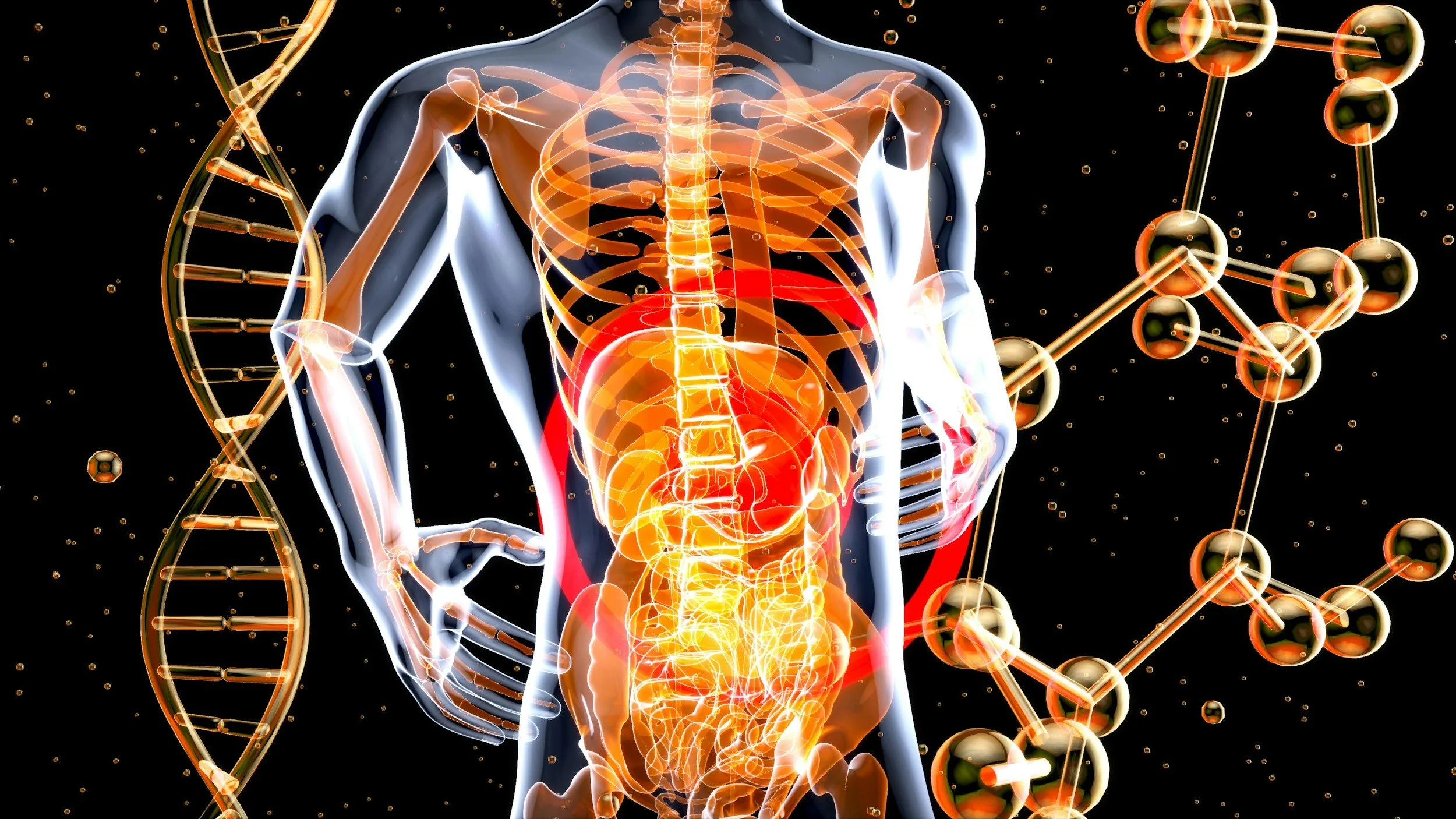
Structural Analysis & Integration
What Is Anatomy Trains Structural Integration (ATSI)?
Anatomy Trains Structural Integration (ATSI) is an offshoot of Kinesis Myofascial Integration (KMI) created by Tom Myers. This specialized training is based on the theories and practical applications of Ida Rolf. The original series was essentially an anatomical factory reset to help those with chronic myofascial holding patterns.
When the fascia gets stuck in certain positions, it compromises the whole body including posture and mobility. KMI or ATSI uses myofascial patterns to deeply explore pain patterns and address long-standing pain, restriction, or injury. This work is used to treat those who have long pursued conventional avenues of pain relief without success.
Larry conducts a postural and functional analysis and pairs it with deep tissue massage. He specializes in helping to problem-solve long-held pain patterns or injuries that haven't been resolved. The treatment is not geared toward relaxation but focuses on improving mobility and function.

How Structural Analysis Works
The KMI (Kinesis Myofascial Integration) series of sessions works first to systematically open the body's 'sleeve' or outer tissues. Then we dive deeper to awaken and balance your core structures. The "end game" of the 10 to 12 sessions brings harmony to the interaction among the lines of muscles and sinews that form a tensegrity network in which the bones move.
This process is designed to restore optimal communication through all body systems which in turn frees up more of your vital energy for living a highly functioning and harmonious life.
"Rolfing" is the trademarked term used by members of the Rolf Institute, the school founded by Ida Rolf in Boulder Colorado. Many of Ida's original students went on to open schools based on her 10-session series. We call that family of work Structural Integration.
The training Larry received (KMI) was founded by Tom Myers who was an original student of Ida Rolf. His knowledge, experience, and devotion to Ida's work have offered many wonderful contributions to the advancement of Structural Integration.
Frequently Asked Questions
-
Fascia is a thin layer of tissue that holds muscles, organs, bones, nerves, and blood vessels in place. Research shows that it connects all parts of the body.
Healthy fascia is slippery and smooth. It facilitates movement and lessens friction.
When fascia dries up, it causes a multitude of problems. It will make movements stiff and painful, affect your posture, and worsen your overall quality of life. Dry fascia can be the result of a lack of physical exercise, injury, or repetitive movements.
-
Myofascial pain - “myo” from muscle and “fascial” from fascia - refers to pain and inflammation in the soft tissues of the body.
It’s easy to mistake for muscle or joint pain - the main difference is that fascia pain gets better when you move and with heat. Muscle pain that gets worse over time might be myofascial pain.
An old injury or a muscle used the same way over and over again, or tight muscles that set off trigger points in your muscles. The most frustrating aspect of myofascial pain is that it often causes referred pain in other parts of the body that may appear unrelated.
-
Referred pain describes myofascial pain that follows specific patterns. Pressure on a trigger point causes muscle pain in seemingly unrelated parts of the body.
Your ATSI practitioner is trained to recognize these patterns and help you to release them. Usually, ATSI treats long-seated pain in the muscles. Common places where myofascial pain manifests are in the neck/upper back/shoulders or low back/SI joint/hip. Plantar fasciitis is another common form of myofascial pain.
-
The benefits of KMI and ATSI are chronic pain relief, ease of movement, better posture, and increased flexibility. This work is particularly useful for people with chronic pain lasting three months or more. It can treat numbness, weakness, tightness, and limited muscle mobility. ATSI also corrects poor posture that may be causing or the result of chronic pain.